


As Exodus closes, an unexpected crisis emerges in the midst of a celebration. Moses finishes the tabernacle, a cloud covers the tent of meeting, and God’s glory fills the tabernacle (Exod 40:16–34). But Moses cannot go in (Exod 40:35).
Leviticus is God’s gracious answer to that problem.
Leviticus is the story of the Holy God’s gracious provision for us to live with him. Exodus brings us to the front porch. Leviticus brings us all the way into the living room. We have been welcomed home by the blood to walk holy in his love.

Three Resources for Loving Leviticus
The Bible—ESV Scripture Journal: Leviticus

The best way to understand the Bible is to read the Bible. Reading Leviticus in one sitting, marking repeated ideas and noting cross-references will help capture the drama of the book.
The ESV Illuminated Scripture Journal: Leviticus pairs a lightly dotted blank page opposite every page of Bible text
If you cannot read Leviticus in one sitting, read it in two large sections at a time, Lev 1–16 and 17–27, or in six smaller sections, Lev 1–7, 8–10, 11–15, 16, 17–22, 23–27.
One Commentary—Leviticus
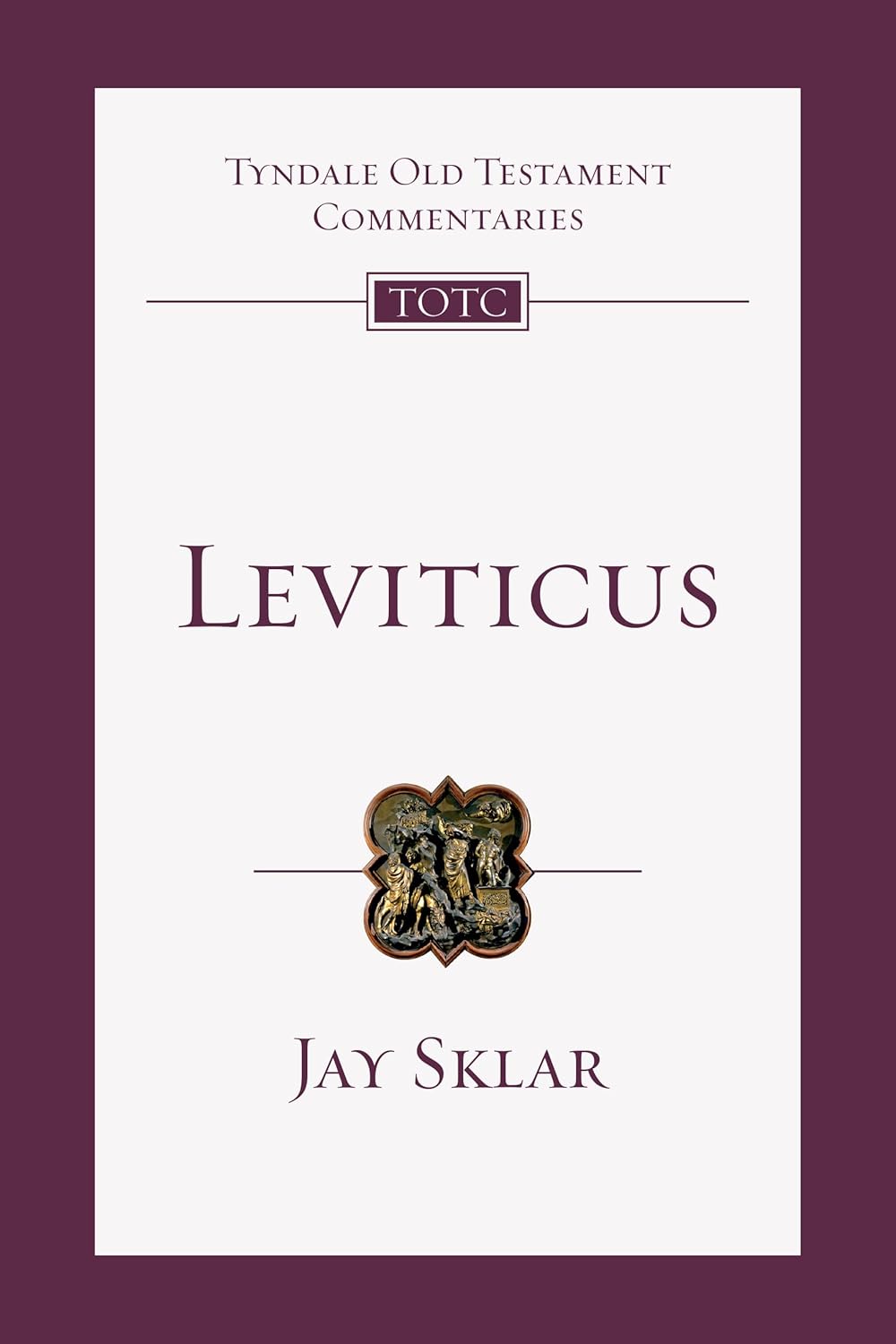
Jay Sklar is a warmhearted Old Testemant Scholar.
He has written and lectured extensively on Leviticus.
The editors of Preaching’s Preacher’s Guide nominated Sklar’s volume in the Tyndale Old Testament Commentary series as the Best Bible Reference (Old Testament Commentaries) in 2014.
Sklar touches on all the issues in an understanable way. He ends each section of verses with a clear summary and devotional applications.
Discover the Basics of the Book of Leviticus (ESV Study Bible Notes)
The material is designed to provide key insights into the book of Leviticus by pulling together a number of key resources, from The ESV Study Bible, to commentary recommendations, to a single sermon that sums up the book by Mark Dever. By watching, listening to, and reading these resources, you’ll be better prepared to read and understand the book of Leviticus.
